
When I was a teenager, my mom bought me a book of mythology as a gift. The book was in a thrift store, and when she saw how I kept flipping through the pages she couldn’t bear to leave it behind. It’s a big heavy book, with a ripped cover, and it’s so heavy I’m always afraid to drop it on my foot. I have that book on my bookshelf now. I still enjoy looking through it, and sometimes I open it up and find a character to read about to my kids.
That’s where the idea for this post came from—opening up the book and finding mythology for different seasons. There are so many interesting stories and characters, and browsing through the pages is a fun way to learn more about some interesting mythological beings.
I also love the autumn season and Halloween. The changing leaves, the cooler weather, the decorations, and the spooky books (of course). It’s one of my favorite times of the year. It doesn’t take much for me to try and find spooky fall things to entertain myself.
So anyway, I opened my giant, thrifted, extremely heavy book of mythology and found some gods for Halloween. Some of them are a little unconventional, but they all have something that makes them a little spooky, even if it may not appear that way at first glance. These aren’t all obvious choices—some reveal their darker sides only when you look deeper. So here we go! Five gods for the spooky Halloween season.
Hecate: The Original Queen of Halloween
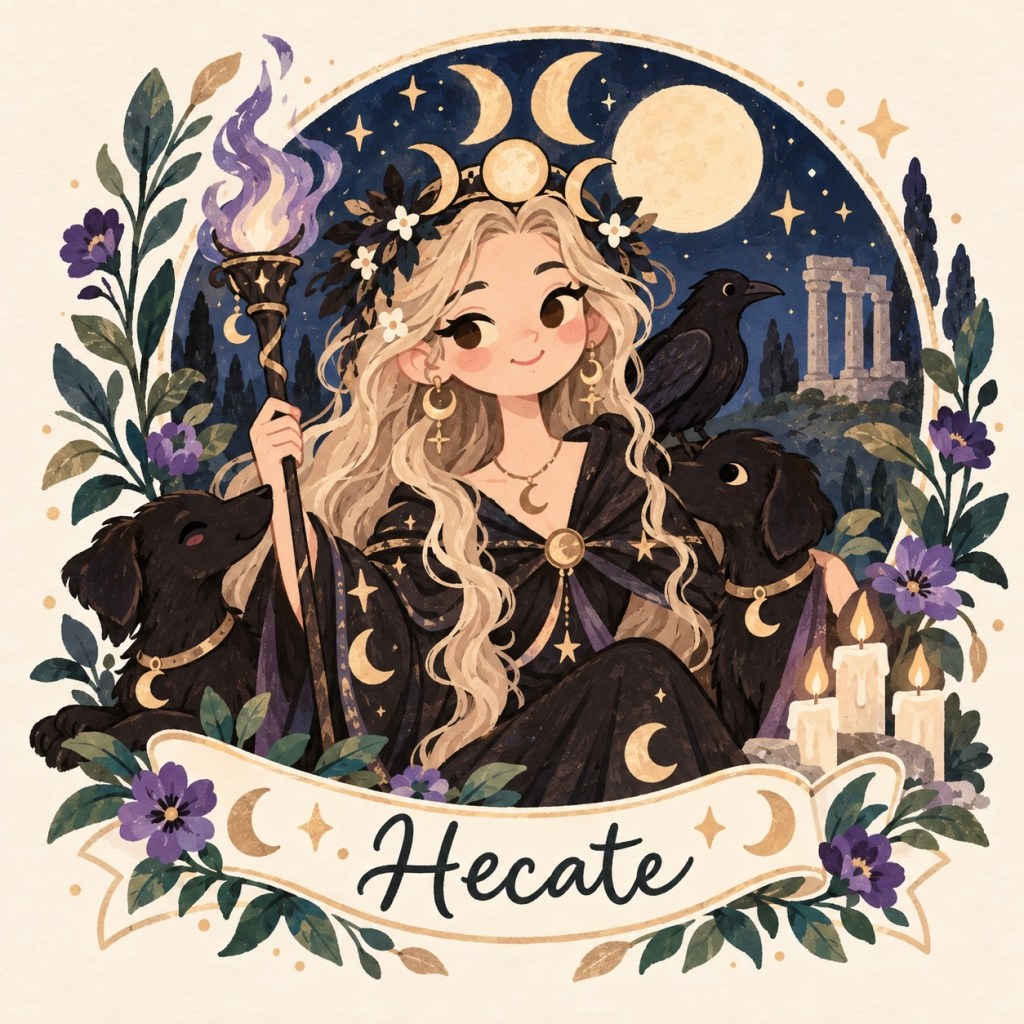
If any Greek goddess belongs to Halloween, it’s probably Hecate.
She’s associated with witchcraft, ghosts, the night, and crossroads. She’s often depicted carrying torches, sometimes with three faces or bodies, allowing her to look in several directions at once. Dogs are also closely associated with her, which I love.
But there’s something rather comforting about Hecate, too.
When Persephone disappeared into the Underworld, Hecate heard her cries and later helped Demeter search for her daughter. After Persephone’s return, Hecate became one of her companions.
I like that about her. She’s a goddess of darkness and mysterious places, but she’s also someone who carries a light.
Although if my dogs started barking at an empty crossroads in the middle of the night, I probably wouldn’t investigate.
Persephone: Springtime Has a Dark Side
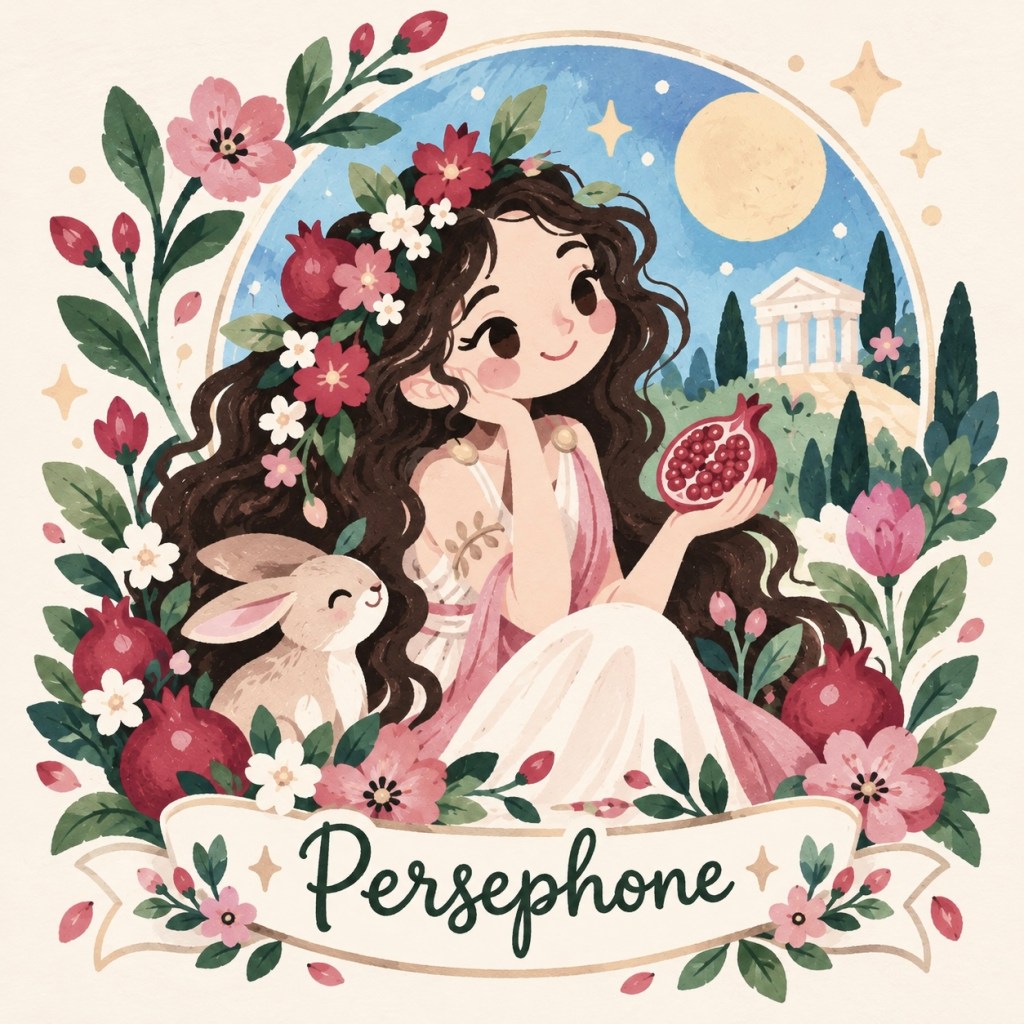
Persephone might seem like an odd choice for Halloween. After all, she’s associated with spring, flowers, and new growth.
But she’s also the queen of the Underworld.
In one of the best-known Greek myths, Hades takes Persephone into his realm, leaving her mother, Demeter, devastated. Demeter’s grief affects the earth itself, and crops stop growing.
Eventually, Persephone is allowed to return, but there’s a complication. She’s eaten pomegranate seeds in the Underworld, which means she must spend part of each year there.
The myth is closely associated with the changing seasons, although the ancient story is more complicated than some of the modern retellings.
What interests me most about Persephone is that she belongs to two very different worlds. She’s connected to flowers and new life, but she also holds a position of enormous importance among the dead.
It’s a fascinating combination.
And perhaps a reminder to be careful about accepting snacks in the Underworld.
Anubis: The Gentleman with the Jackal Head
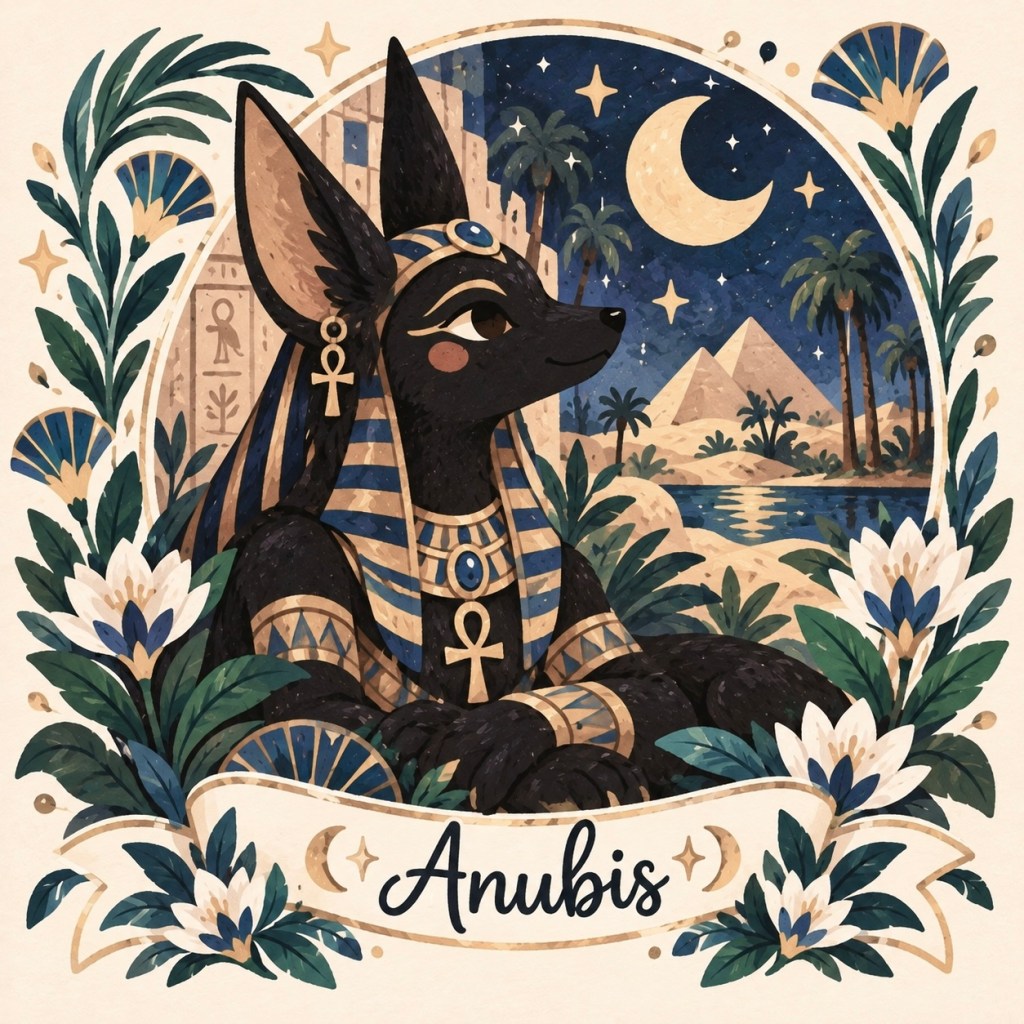
Anubis is one of the most recognizable figures from ancient Egyptian mythology, largely because of his striking jackal head.
He looks rather intimidating, especially if you encounter him in a dark museum gallery.
But Anubis wasn’t simply a frightening god of death. He was closely associated with embalming, funerary practices, and protecting the dead.
He also played an important role in the weighing of the heart, part of the ancient Egyptian understanding of the afterlife. The deceased person’s heart was weighed against the feather of Ma’at, which represented truth and justice.
Anubis helped oversee this process.
I find it interesting that a figure who looks so mysterious was also understood as a protector. His role wasn’t just about death, but about helping people make the journey beyond it.
Of the gods on this list, he might actually be one of the more reassuring ones.
Hel: The Norse Goddess with an Unfortunate Reputation
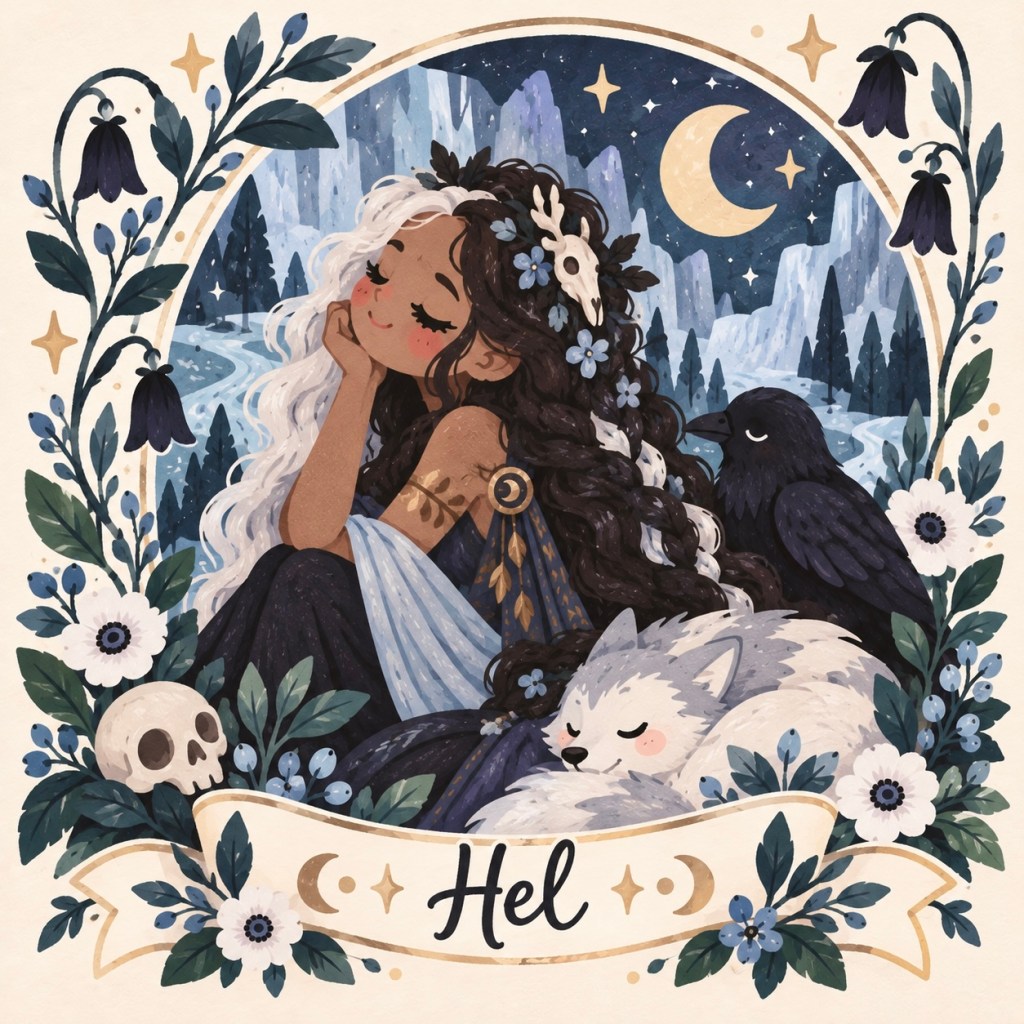
Hel is one of those mythological figures whose name alone tends to make people nervous.
She’s a daughter of Loki, and in Norse mythology she rules a realm that shares her name.
We often hear about Valhalla when people discuss the Norse afterlife, but not everyone who died was destined for Odin’s hall. Hel’s realm received many of those who died from sickness or old age.
In Snorri Sturluson’s Prose Edda, Hel is described as having an unusual appearance, with part of her body dark or bluish-black and the other part flesh-colored.
She also appears in the story of Baldr, when the gods attempt to bring him back from the dead. Hel agrees to release him if all things weep for him, but the condition is ultimately not met.
What I find interesting about Hel is that ruling over the dead doesn’t automatically make her evil. She has a grim responsibility, certainly, but that’s not quite the same thing.
And considering her family, I imagine she’s had plenty to deal with already.
Dionysus: A Dangerous Party Guest
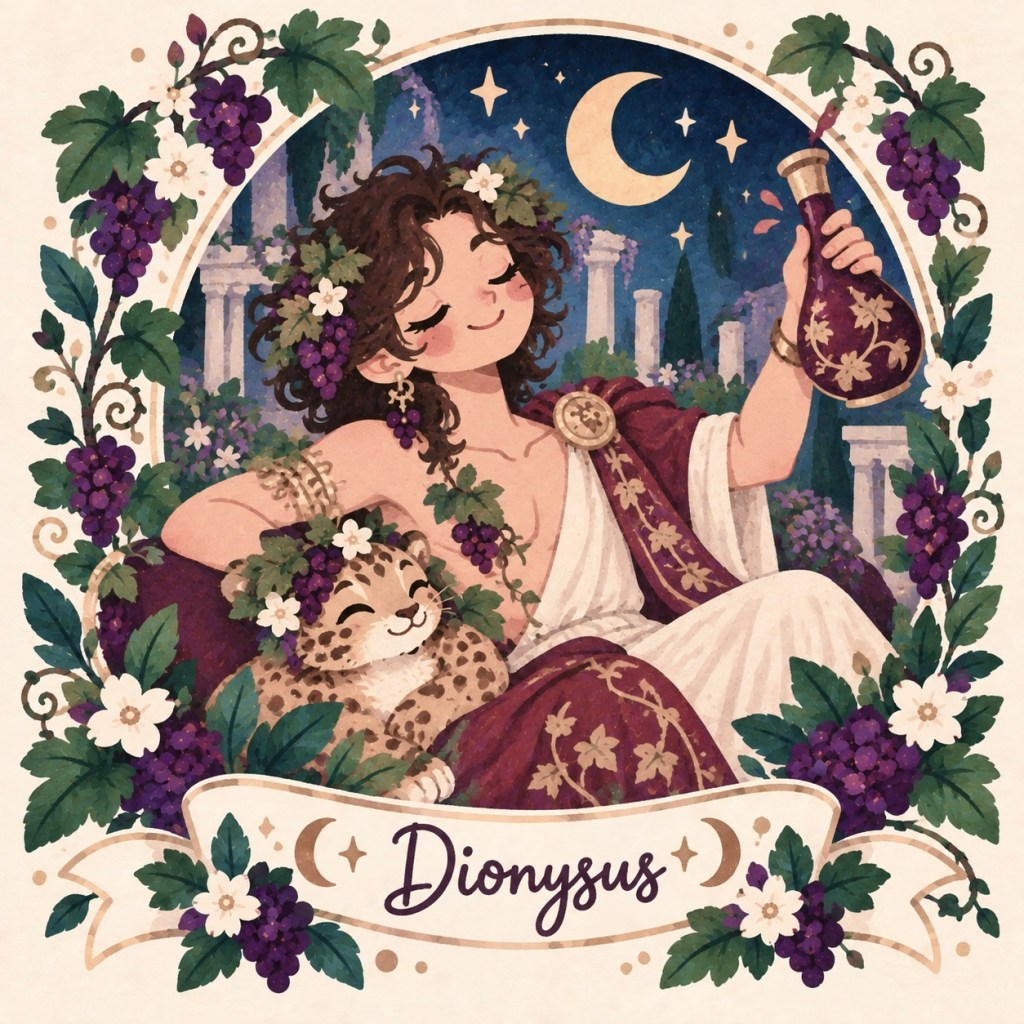
Dionysus might be the most unexpected addition to this list.
He’s the Greek god of wine, theater, and ecstatic celebration. At first glance, he seems much better suited to a party than a spooky mythology article.
But there’s a darker side to him.
Dionysus represents the kind of freedom that can become frightening when it slips beyond anyone’s control. His followers could experience extraordinary joy and release, but his myths also explore madness, violence, and the consequences of resisting his power.
One of the most famous examples appears in Euripides’ Bacchae, where King Pentheus refuses to recognize Dionysus as a god. Things end very badly for him.
That’s what makes Dionysus so interesting to me. He isn’t simply the cheerful god of wine. He represents something much more unpredictable.
I think he’d make a memorable Halloween guest.
I’m just not sure I’d want to host the party.
A Little Magic for October
One of my favorite things about mythology is that the gods rarely fit neatly into the categories we give them.
A goddess associated with witchcraft can be a helpful guide. A frightening-looking god can be a protector. A goddess of spring can also rule the Underworld, and a god of celebration can be genuinely terrifying.
There’s always something more to their stories.
And October seems like a particularly good time to explore a few of them.
Happy spooky season!
Love, Winter 🖤

